


Around the Vaishno Devi Yatra
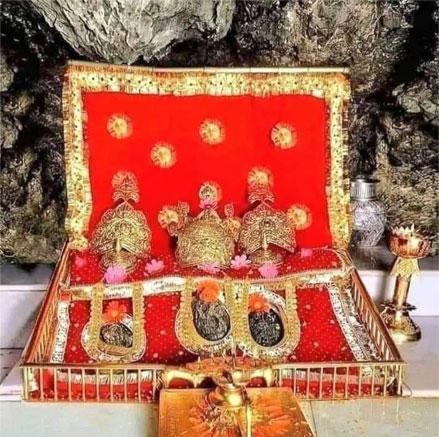
The Darshans inside the Holy Cave are in the form of natural rock formations called Pindies. There are no statues, pictures or idols inside. All along the track and at the Bhawan, there are many photographs explaining the nature of Darshans inside the Holy Cave. Yatries should observe these carefully since these are meant to guide them towards the final Darshans in the Holy Cave.
Mata Vaishno Devi Temple is a symbol of faith, devotion, and spiritual enlightenment for millions of devotees who undertake the sacred journey to seek the blessings of Mata Vaishno Devi. The Mata Vaishno Devi Temple, also known as the Vaishno Devi Shrine, is one of the most revered and popular Hindu pilgrimage sites in India.
The Vaishno Devi Temple is considered highly auspicious and spiritually fulfilling for Hindus. Devotees undertake the arduous journey to seek the blessings of Mata Vaishno Devi and to experience spiritual enlightenment.
Spaces of Prayer Around the Bhawan
The temple experience around Mata Vaishno Devi extends beyond a single darshan moment - surrounding halls, cave entrances, and devotional spaces each add a layer to the yatra.
Three Holy Pindis
The spiritual center of the shrine remains the natural Pindis inside the Holy Cave, where darshan is received without idols or sculpted images.
Cave Access and Movement
Old and new cave passages, waiting areas, and surrounding temple spaces all shape the pilgrim experience before and after the main darshan.
Prayer Beyond the Cave
Ram Mandir, Shiv Gufa, and adjoining devotional spaces extend the atmosphere of worship and reflection around the Bhawan complex.
Sacred Spaces Around the Shrine
Explore the temple environment as a sequence of sacred spaces - each location shapes the pilgrim experience in a different way.
Pindi Darshan, Three natural pindis representing Maa Saraswati, Maa Lakshmi and Maa Kaali
The Darshans inside the Holy Cave are in the form of natural rock formations called Pindies. There are no statues, pictures or idols inside. All along the track and at the Bhawan, there are many photographs explaining the nature of Darshans inside the Holy Cave. Yatries should observe these carefully since these are meant to guide them towards the final Darshans in the Holy Cave.
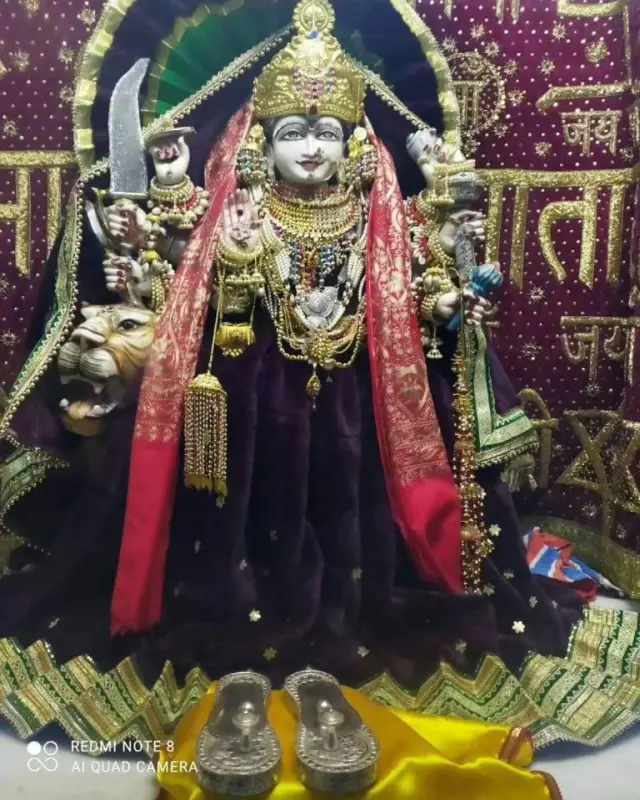
Waiting Hall, Maa Vaishno Devi Statue in Waiting hall area where people sit while Aarti
Devotees offer prayers, perform rituals, and make offerings such as flowers, coconuts, sweets, and incense at the temple as a sign of devotion and gratitude to Mata Vaishno Devi. The offerings are believed to bring blessings and fulfillment to the devotees.
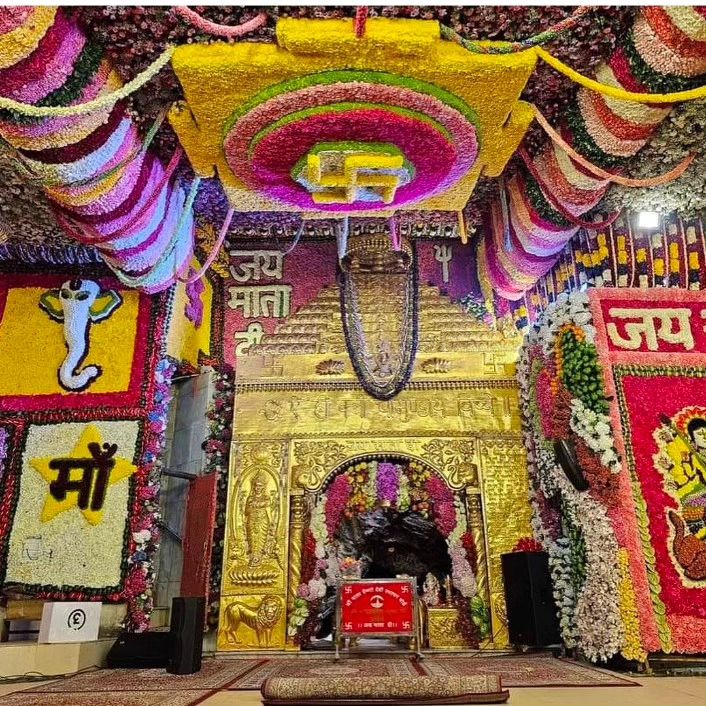
Old Entrance to Cave, Around 30 meters long, opens from January 15th to February each year
Mata Vaishno Devi Temple is a symbol of faith, devotion, and spiritual enlightenment for millions of devotees who undertake the sacred journey to seek the blessings of Mata Vaishno Devi. The Mata Vaishno Devi Temple, also known as the Vaishno Devi Shrine, is one of the most revered and popular Hindu pilgrimage sites in India.
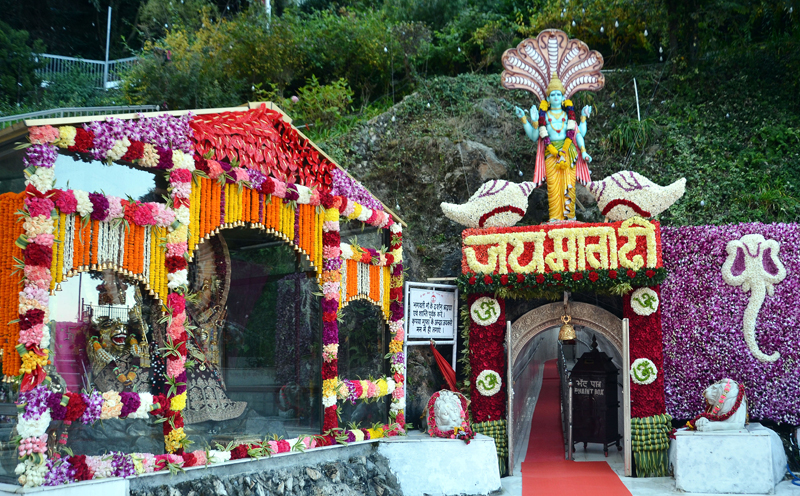
New Entrance to Cave, 200 meter long and devotees in queue prayer silently and pray for their wishes
Various festivals and special occasions are celebrated at the Vaishno Devi Temple throughout the year, including Navratri, Diwali, and the Vaishno Devi Jayanti. These festivals attract a large number of devotees who gather to participate in religious ceremonies and seek the blessings of Mata Vaishno Devi
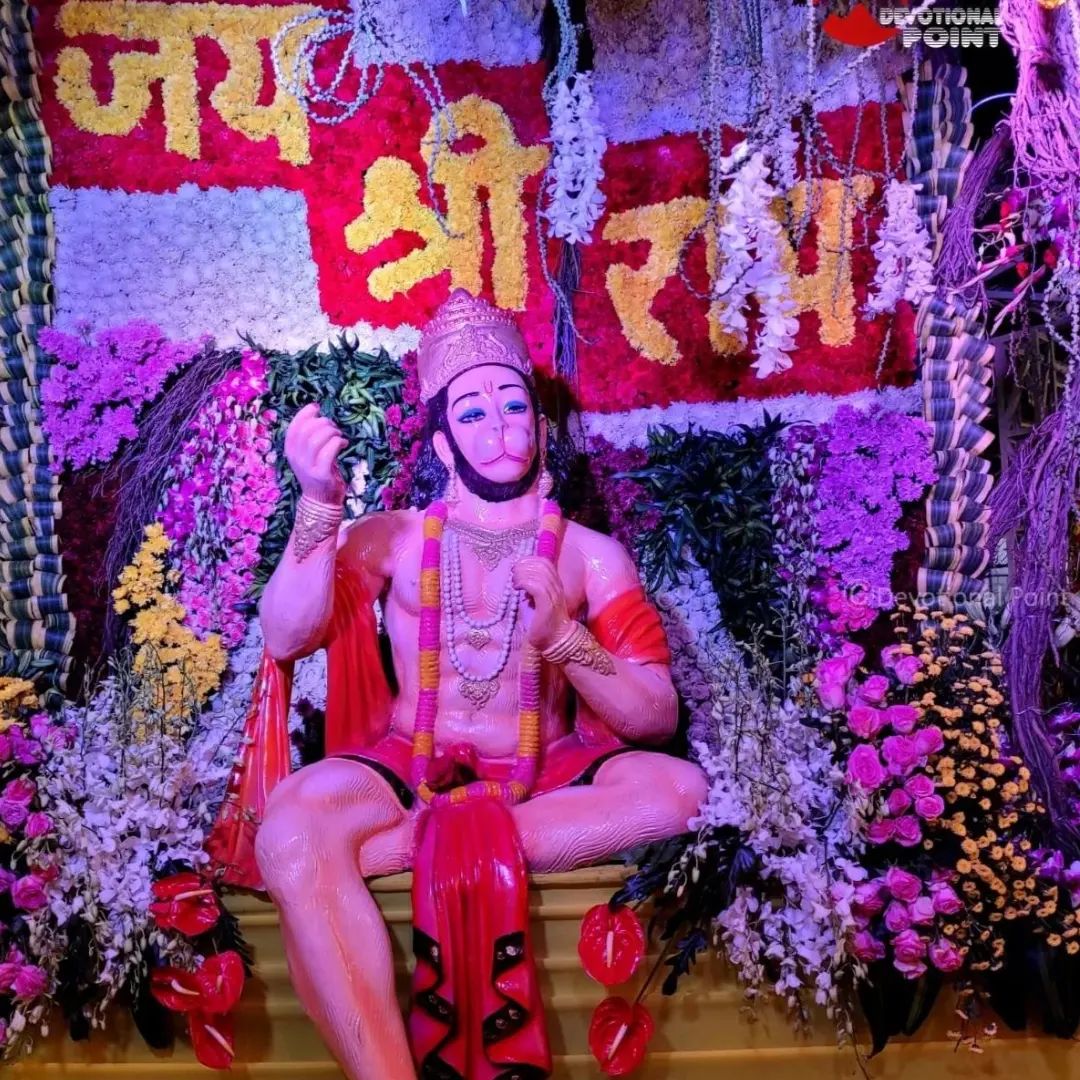
Ram Mandir, After Pindi Darshan, take the glimpse of Ram Mandir with big statue of Maa Sita, Shri Ram and Laxman
Devotees visiting the Vaishno Devi Temple offer various types of offerings to seek the blessings of Mata Vaishno Devi and express their devotion. These offerings are made with reverence and gratitude towards the goddess.
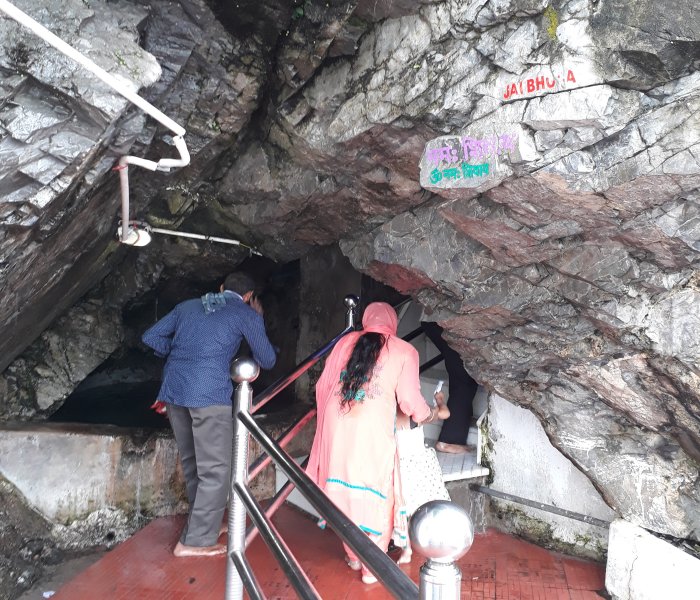
Shiv Gufa, After pindis darshan, Devotees go downstairs 200 steps for Shiv Gufa Darshan. Its 300 ft down from Ram Mandir.
The Vaishno Devi Temple is considered highly auspicious and spiritually fulfilling for Hindus. Devotees undertake the arduous journey to seek the blessings of Mata Vaishno Devi and to experience spiritual enlightenment.
More about Mata Vaishno Devi
Explore history, temple, darshan, and important information about Mata Vaishno Devi.
Introduction
A complete introduction to Mata Vaishno Devi and the sacred pilgrimage.
Read MoreHistory
Discover the ancient history and legends of Mata Vaishno Devi.
Read MoreLocation
Find where the Vaishno Devi temple is located and how to reach it.
Read MoreDuring peak season, checking these options in advance can save you a lot of waiting time.