


The history of Vaishno Devi is deeply rooted in Hindu mythology and ancient folklore. While historical documentation may be limited, the legend of Vaishno Devi has been passed down through generations via oral tradition and religious texts. Here's an overview of the historical and mythological aspects associated with Vaishno Devi.
Legend of Vaishno Devi's Birth
According to Hindu mythology, Vaishno Devi is believed to be an incarnation of the Goddess Mahalakshmi, Mahakali, and Mahasaraswati. The legend narrates that she was born as a young girl named Vaishnavi to a devout Brahmin couple.
Divine Purpose
Vaishno Devi took birth with the divine purpose of vanquishing evil forces and protecting her devotees. From a young age, she exhibited remarkable spiritual powers and displayed a strong inclination towards penance and meditation.
Journey to Trikuta Mountains
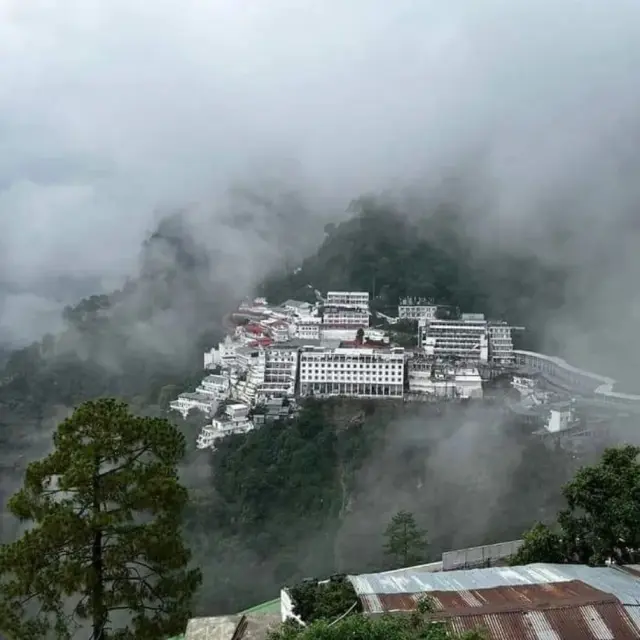
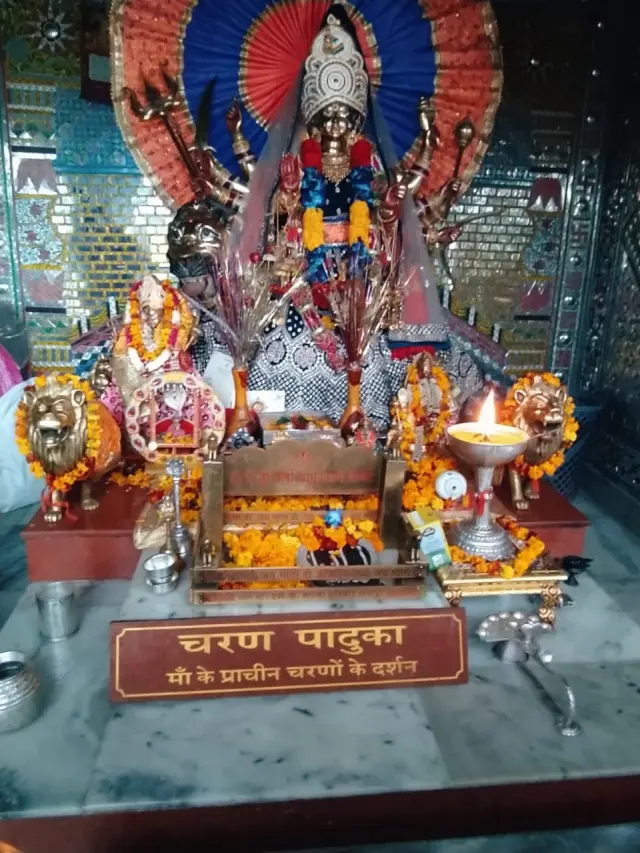
It is said that Vaishno Devi undertook an arduous journey to the Trikuta Mountains (located near the town of Katra in present-day Jammu and Kashmir), where she secluded herself in a cave to engage in deep meditation and austerity
Confrontation with Bhairon Nath
The legend further narrates that the demon god Bhairon Nath, enamored by Vaishno Devi's beauty and powers, pursued her to capture her. Vaishno Devi, however, eluded him and continued her journey. Eventually, Bhairon Nath confronted her in the caves of Trikuta. In a fierce battle, Vaishno Devi slew Bhairon Nath, who, in his dying moments, sought forgiveness and was granted liberation by the goddess.
Transformation into the Holy Pind
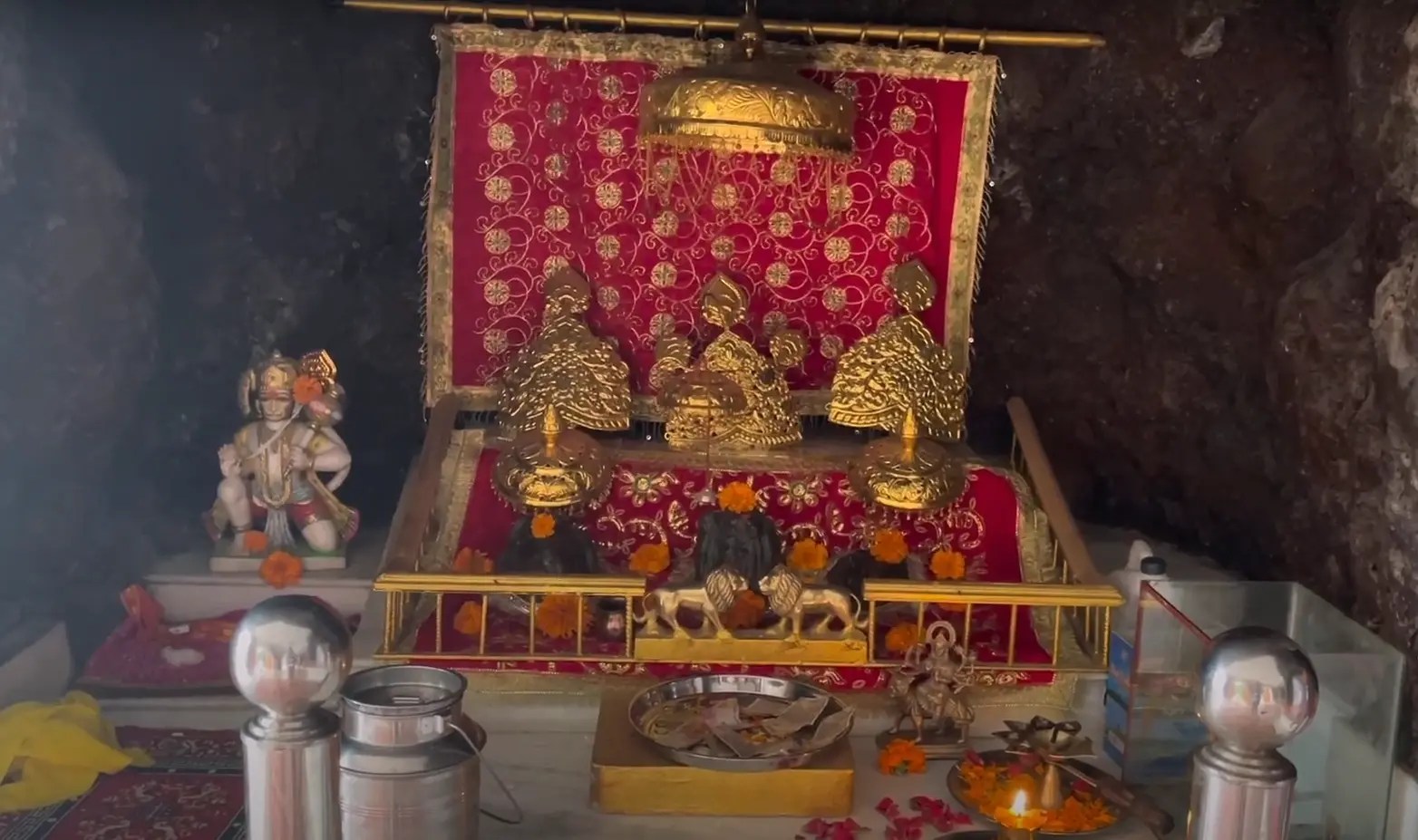
After defeating Bhairon Nath, Vaishno Devi transformed herself into a stone form known as the "Pind." Devotees believe that the Holy Pind symbolizes the presence of the goddess and continues to shower blessings on pilgrims who visit the shrine.
Evolution of the Shrine
Over time, devotees discovered the presence of the Holy Pind in the caves of Trikuta Mountains. The shrine of Mata Vaishno Devi gradually developed around the sacred site, with devotees from far and wide undertaking pilgrimages to seek the blessings of the divine mother.
Modern-Day Pilgrimage
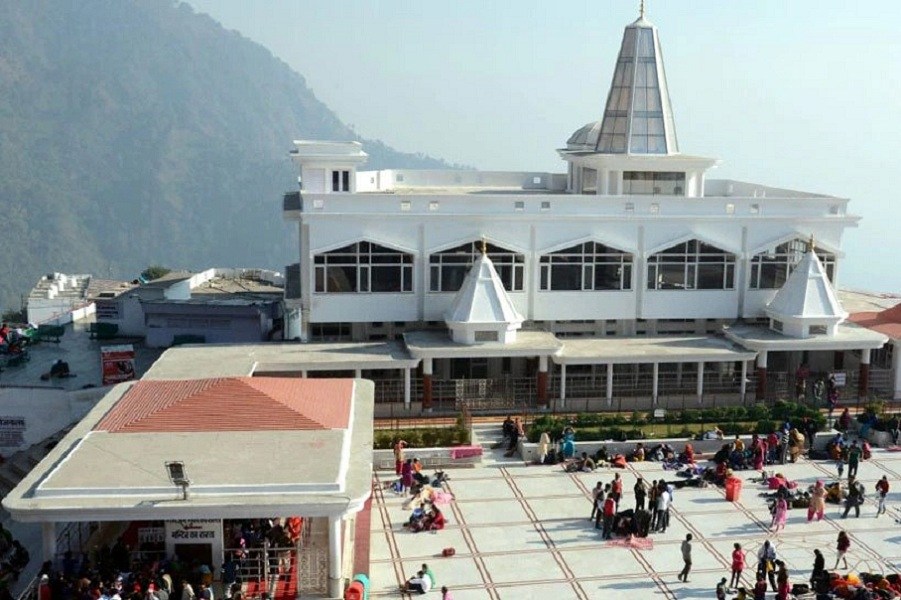
Today, the Vaishno Devi shrine is one of the most visited pilgrimage sites in India, attracting millions of devotees annually. The pilgrimage involves a trek of approximately 13 kilometers from the base camp at Katra to the Bhawan, the holy cave shrine where Mata Vaishno Devi is believed to reside.

More about Mata Vaishno Devi
Explore history, temple, darshan, and important information about Mata Vaishno Devi.
Introduction
A complete introduction to Mata Vaishno Devi and the sacred pilgrimage.
Read MoreLocation
Find where the Vaishno Devi temple is located and how to reach it.
Read MoreDarshan
Know about darshan process, timings, and important guidelines.
Read MoreDuring peak season, checking these options in advance can save you a lot of waiting time.